What Is Patina? Definition, Examples, and How It Forms on Metal, Leather, and Wood
Patina is the natural surface layer that forms on materials like copper, leather, and wood over time, giving them a distinctive aged appearance that many people find more attractive than the original finish. Yet patina is frequently confused with rust or tarnish, and the differences matter: one protects, another destroys, and the third sits somewhere in between.
Understanding how patina develops helps you recognize it on everything from the green Statue of Liberty to a well-worn leather wallet. It also helps you decide whether to encourage it, prevent it, or leave it alone. Whether you collect antique coins, maintain carbon steel knives, or simply want to know why your copper cookware is changing color, the answer starts with the chemistry and craftsmanship behind this remarkable surface transformation.
What Is Patina? Definition and Meaning
Patina is a thin coating that develops on materials through oxidation, environmental exposure, or regular use, changing their appearance, texture, and sometimes their durability over time.
The word traces back to the Italian patina, meaning "shallow dish," itself derived from Latin. Italian speakers in the 17th century used the term to describe the green film forming on copper dishes, and by the mid-18th century, English adopted it with the same meaning.
In its strict chemical sense, patina refers to an oxide or carbonate layer on metals like copper, bronze, and carbon steel. More broadly, the term now covers any surface aging: the darkening of vegetable-tanned leather, the amber glow of aged oak, the fading of raw denim, or the weathering of natural stone.
Culturally, patina signals authenticity and history. It aligns closely with the Japanese concept of wabi-sabi, which finds beauty in imperfection and the passage of time. The color varies by material: green-blue on copper, dark gray on carbon steel, warm honey-brown on leather, and a golden sheen on hardwoods like walnut and cherry.
How Patina Forms on Different Materials
On metals, patina develops through chemical reactions like oxidation, sulfidation, and carbonation. On organic materials such as leather and wood, physical interaction drives the change: handling, polishing, and UV exposure gradually transform the surface.

Patina on Copper, Brass, and Bronze
Copper develops its iconic green-blue verdigris layer through a slow reaction with oxygen, moisture, carbon dioxide, and sulfur compounds. Over decades, these elements combine to form copper carbonate and copper sulfate on the surface.
The Statue of Liberty is the most recognizable example. Its copper skin developed the characteristic green patina within roughly 20 years of its 1886 installation on Liberty Island.
Brass (a copper-zinc alloy) and bronze (a copper-tin alloy) undergo similar shifts because of their copper content. The specific shade depends on local humidity, air pollution, and proximity to saltwater. This patina layer is self-limiting: it seals the surface and prevents deeper corrosion from reaching the metal underneath. Many architects and conservators treat copper patina as a built-in protective coating rather than damage.
Patina on Steel, Iron, and Cast Iron
Carbon steel knives develop a blue-gray or dark brown patina through controlled oxidation, forming a stable barrier that shields the blade from deeper corrosion. This layer builds naturally as the knife contacts acidic foods, moisture, and air over repeated use.
Cast iron skillets work differently. Their seasoning layer consists of polymerized oil bonded with iron oxide, functioning as a patina that provides a non-stick cooking surface while preventing rust.
Stainless steel resists patina because its chromium content forms an invisible chromium oxide layer. Carbon steel lacks this protection, making it far more reactive. The most common confusion: the dark layer on carbon steel is stable and beneficial, while orange-red rust is porous and destructive, actively eating into the metal.
Patina on Leather, Wood, and Other Non-Metal Materials
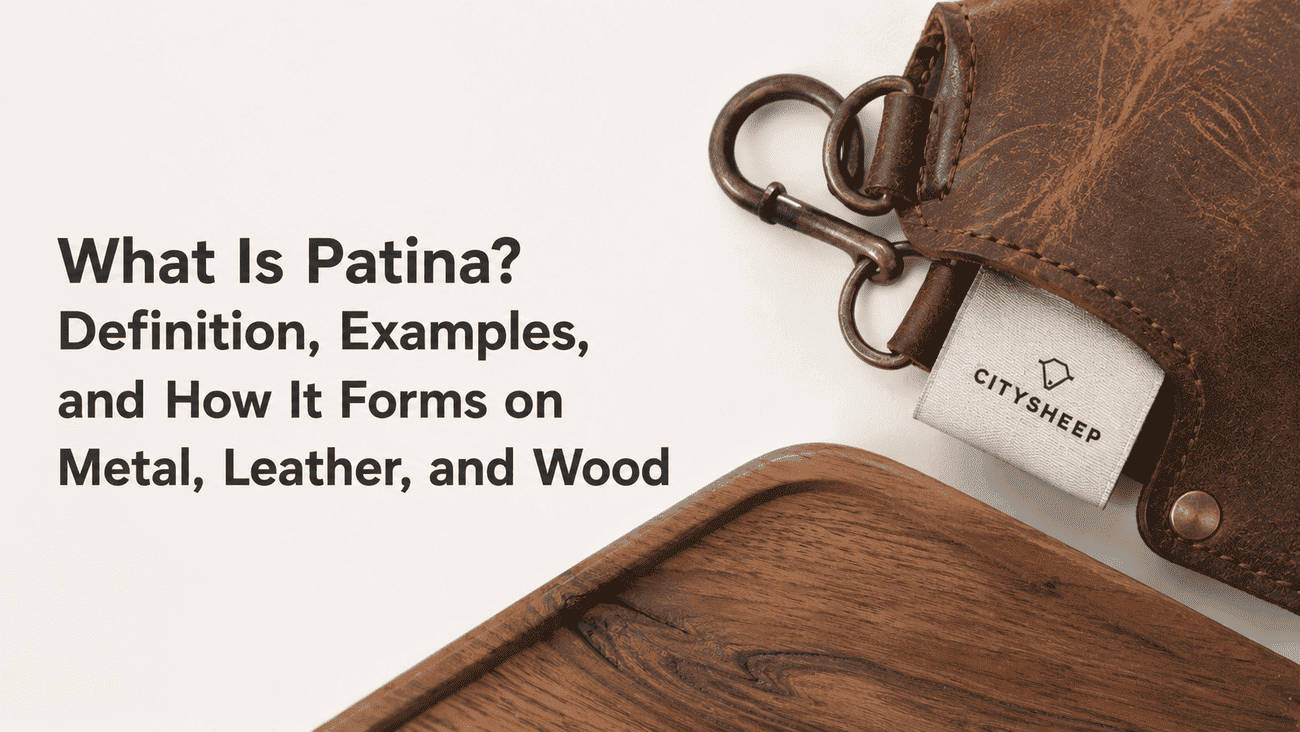
Leather patina is the gradual darkening, softening, and deepening of color that occurs from natural skin oils, sunlight, and regular handling. Each piece ages differently, creating a surface entirely unique to its owner.
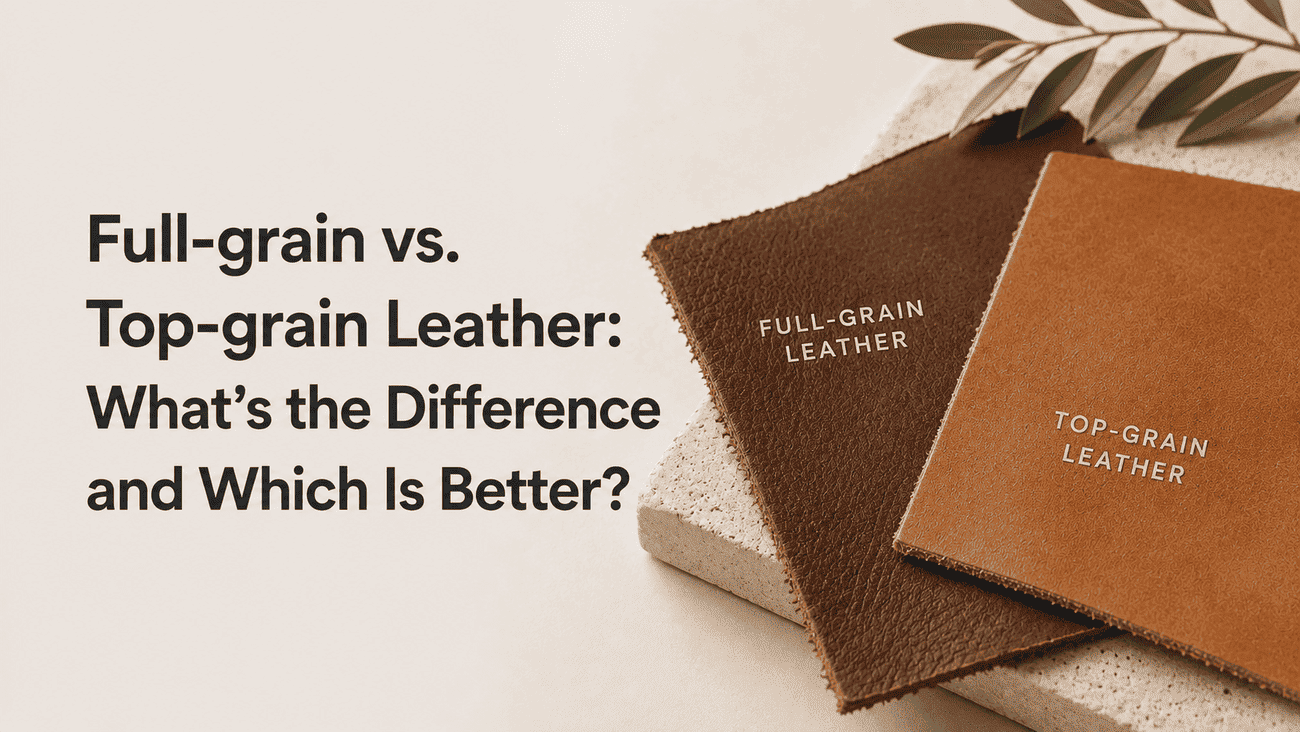
Not all leather develops patina equally. Full-grain and vegetable-tanned leather show the richest transformation because their uncoated surface absorbs oils and reacts to light. Bonded or corrected-grain leather has a sealed finish that blocks this natural aging process. Handcrafted goods like CITYSHEEP's leather journals and wallets are specifically designed to develop character through daily use.

Wood patina forms through a different mechanism. Repeated polishing, natural oxidation, and UV exposure produce a warm golden or amber sheen on hardwoods like oak, walnut, and cherry. Beyond these materials, raw denim develops fade patterns from wear and washing, and brass hardware on bags gradually darkens. Both are recognized as patina in fashion contexts.
Patina vs. Rust vs. Tarnish: Key Differences
Patina, rust, and tarnish all result from oxidation, yet they behave in fundamentally different ways:
- Patina is a stable, self-limiting surface layer that bonds tightly to the material and halts further corrosion.
- Rust (iron oxide / Fe₂O₃) is porous and flaky, spreading progressively and weakening the metal over time.
- Tarnish is a thin surface discoloration on silver, gold, and certain alloys caused by sulfur compounds, mostly cosmetic and easily removed with a polishing cloth.
A practical way to tell patina from rust: dab white vinegar on the suspicious spot. Rust will bubble or dissolve, while stable patina remains completely unaffected.

Is Patina Good or Bad? Why Collectors and Craftspeople Value It
Patina is overwhelmingly considered desirable because it provides protection, visual character, and proof of authenticity. On a functional level, it shields copper roofing, bronze sculptures, carbon steel blades, and cast iron cookware from deeper corrosion.
Collectors value patina even more. Antiques dealers, watch enthusiasts, and numismatists treat original patina as evidence of age and provenance. Removing patina from collectible coins can reduce their market value by half or more. Similarly, full-grain leather goods like key holders and iPad sleeves gain character through use, and that aging is considered a hallmark of quality.

Yet patina is not always welcome. Jewelry meant to look bright requires regular polishing. And verdigris on copper is mildly toxic if ingested, which is why copper cookware must have a food-safe tin or stainless steel lining.
How to Create, Remove, or Preserve Patina
Patina can be accelerated, slowed, or stripped entirely depending on the owner's goals and the material involved.
Forced Patina Techniques
Carbon steel knife owners accelerate patina formation using household acids. Applying mustard, vinegar, coffee grounds, or sliced lemons to the blade creates a controlled oxidation layer that shields against rust. Each substance produces distinct patterns, from the bold streaks of mustard to the mottled tones of coffee.
For copper and brass, ammonia fumes inside a sealed container, liver of sulfur solution, or a salt-and-vinegar spray generate accelerated surface layers within hours rather than decades. Forced patina tends to look more uniform compared to the organic variation of naturally aged surfaces.

How to Remove or Preserve Patina
Removal depends on the material. Silver polishing cloths lift tarnish without scratching. A baking soda paste works well on copper and brass, while Bar Keepers Friend or fine steel wool restores cast iron surfaces.
Never clean original patina from antique furniture, vintage watches, or collectible coins without consulting a specialist. Cleaned antiques lose significant market value because collectors treat patina as proof of authenticity.
For preservation, apply Renaissance Wax or beeswax-based coatings to metals and store silver in anti-tarnish cloths. Leather goods benefit from occasional conditioning with natural oils, which keeps the surface supple without stripping its character. Regular daily use remains the best way to build rich leather patina on wallets.

Frequently Asked Questions About Patina
Is Patina the Same as Rust?
No. Patina is a stable protective oxide layer that bonds tightly to the surface and halts further corrosion. Rust (iron oxide, Fe₂O₃) is porous, flakes away, and progressively destroys the underlying metal. A simple vinegar test confirms which you have: rust reacts and bubbles, while stable patina remains unaffected.
What Color Is Patina?
Patina color depends on the base material. Copper and bronze develop green or blue-green verdigris, carbon steel turns dark gray to blue-black, and silver shifts to brownish-black. Vegetable-tanned leather ages to warm honey-brown, while hardwoods like oak and cherry gain an amber-gold sheen. Environmental factors such as humidity, salt air, and pollution influence both the shade and development speed.
Is Patina on Copper Dangerous?
Verdigris is mildly toxic if ingested, making it a concern for copper cookware, cups, and water pipes. On decorative objects, architectural elements, and jewelry, copper patina poses no health risk. Copper cookware should always have a food-safe tin or stainless steel lining to prevent verdigris from contacting food.
Should You Clean Patina Off Antiques or Coins?
Almost never without consulting a specialist first. Collectors, dealers, and auction houses consider original patina proof of authenticity and age. Cleaning coins, vintage watches, or antique furniture can reduce their value dramatically because buyers interpret a stripped surface as tampering. If cleaning is necessary for functional reasons, use the mildest method possible.
What Is Patina on Leather and Is It Desirable?
Leather patina is the gradual darkening, softening, and color deepening caused by natural oils, handling, and sunlight over time. It is highly desirable. Full-grain and vegetable-tanned leathers develop the richest patina because their uncoated surface absorbs oils freely, which is why quality leather journals, wallets, and bags look better with age rather than worse.
Whether it forms on a copper roof, a vintage coin, or a well-loved wallet, patina tells the story of how an object has been used and cared for. Leather patina, in particular, rewards its owner over time, turning a simple accessory into something truly personal.
At CITYSHEEP, we handcraft our accessories from full-grain and vegetable-tanned leather precisely because these materials develop the most beautiful patina with everyday use. Browse our collection of mini wallets, journals, passport holders, and iPad sleeves to find a piece that will only grow more characterful in your hands.