
Article: How to Clean a Leather Wallet: Remove Stains, Prevent Damage, and Restore Shine
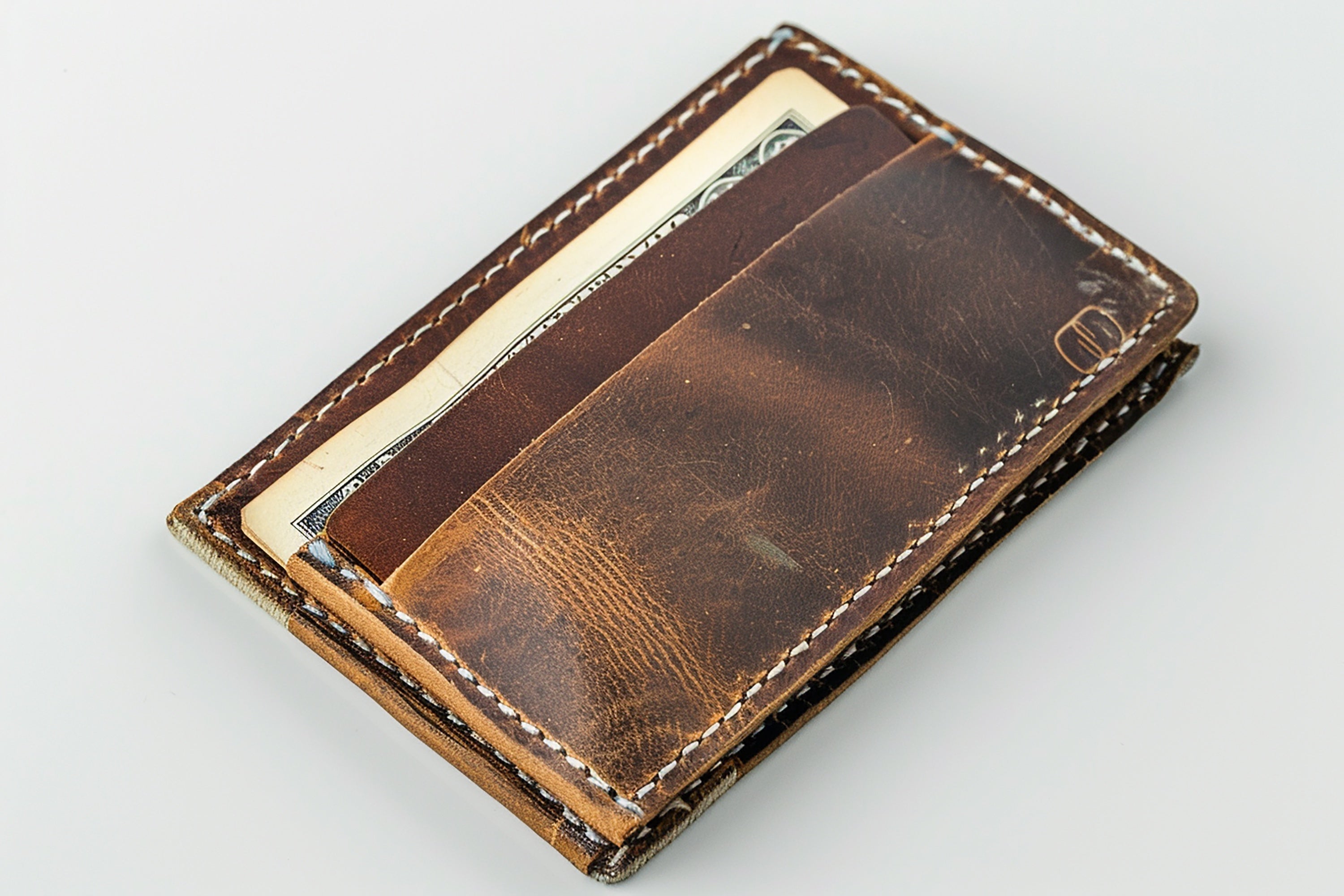
How to Clean a Leather Wallet: Remove Stains, Prevent Damage, and Restore Shine
Learning how to clean a leather wallet correctly takes just a few simple tools and about 15 minutes, yet the wrong approach can permanently damage the material. Body oils, pocket lint, ink from receipts, and everyday sweat gradually work their way into leather's porous surface, dulling the finish and weakening the fibers over time. Most wallet owners don't realize the damage is happening until stains have set or the leather has started to crack.
Nearly every common leather wallet stain, from ink and grease to mold, responds well to household items you probably already own. Mild soap, white vinegar, cornstarch, and a quality leather conditioner can handle the vast majority of cleaning tasks without expensive specialty products.
The methods below cover cleaning finished leather wallets safely, removing specific stains without spreading them, conditioning the leather to prevent future damage, and adjusting your care routine based on the leather type. Whether you carry a minimalist wallet or a full-size bifold, these techniques apply to full-grain, top-grain, and genuine leather alike.

Why Leather Wallets Get Dirty and When to Clean Them?
Leather wallets accumulate grime from multiple daily sources: body oils transferred from hands, sweat in pockets, lint and debris, environmental dust, and ink residue from receipts and coins. Leather is a porous material, so these contaminants gradually penetrate the surface rather than simply sitting on it.
Not all darkening signals a problem. A natural patina develops as leather ages evenly, adding depth and character to full-grain and top-grain hides. Actual dirt buildup appears uneven and degrades the leather fibers over time.
Your wallet needs cleaning if you notice a sticky or greasy feel, visible stains, an unpleasant odor, localized discoloration around card slots, or mold spots.
A practical care schedule keeps leather in good shape:
- Light wipe-down with a dry microfiber cloth every 2 to 4 weeks.
- Deeper cleaning with mild soap and water every 2 to 3 months.
- Conditioning 2 to 4 times per year, more frequently in dry or humid climates.
Wallets that endure heavy daily handling or back-pocket storage may need attention on the shorter end of each interval.
How to Clean a Leather Wallet?
The following method works for most finished leather wallets, including full-grain, top-grain, and genuine leather. The entire process takes roughly 15 to 20 minutes, plus air drying time.
Tools and Safe Cleaning Products You Will Need
Gather two soft lint-free cloths (microfiber works well), a small bowl, mild soap such as Dawn in very small amounts or baby shampoo, and a quality leather conditioner or leather cream. For textured leather, a soft-bristle brush helps lift dirt from grooves.
A makeup blending sponge works very well for reaching tight seams and card slots. Museum conservation professionals use this same technique for delicate leather artifacts, as the sponge applies minimal pressure while absorbing grime effectively.
Equally important is knowing what to avoid:
- Bleach and ammonia-based cleaners
- Acetone and alcohol wipes (except for mold treatment)
- Harsh household cleaners like all-purpose sprays
- Abrasive scrubbing tools, steel wool, or rough brushes
These products strip natural oils, crack the surface, or permanently discolor leather fibers.

Basic Cleaning with Mild Soap and Water
- Empty the wallet completely, removing all cards, cash, and receipts.
- Wipe the exterior with a dry microfiber cloth to lift loose dust and debris.
- Mix two to three drops of mild soap into a small bowl of lukewarm water.
- Dampen a cloth in the solution and wring it until barely damp.
- Gently wipe the leather surface using circular motions, paying extra attention to edges and card slot openings where grime collects.
- Wipe again with a separate clean, damp cloth to remove all soap residue.
- Open the wallet and stand it upright to air dry at room temperature, away from direct sunlight and heat sources.
Never submerge or soak a leather wallet. Water saturates the fibers and causes warping, cracking, and color loss. Similarly, avoid heat drying with a hair dryer or radiator. Concentrated heat shrinks and permanently damages leather, so room-temperature airflow is always the safest approach.
How to Clean a Leather Wallet Without a Leather Cleaner?
A white vinegar solution, saddle soap, baby shampoo, or baking soda can effectively clean a leather wallet at home when you don't have a dedicated leather cleaner.
Mix one part white vinegar to two parts water and apply with a damp cloth. This solution lifts general grime and light discoloration well. However, undiluted vinegar is acidic enough to darken or damage leather, so always dilute it and spot-test on a hidden area first.
Saddle soap is highly recommended by leather care professionals for deeper cleaning. Apply it with a damp cloth in small circles, wipe off residue, and let the wallet dry naturally. It cleans effectively without stripping the leather's natural oils.
Baby shampoo offers a gentler alternative. Its pH-balanced formula makes it safer for delicate or dyed leathers. Mix a small amount with lukewarm water and use the same damp-cloth technique.
For oil and grease stains specifically, sprinkle a thin layer of baking soda onto the affected area, leave it overnight, and brush off gently in the morning. Baking soda absorbs grease passively, so avoid rubbing it aggressively into the leather grain.
How to Remove Specific Stains from a Leather Wallet?
Different stains demand different treatments because each substance bonds with leather fibers in a unique way. Acting quickly before a stain sets always produces the best results.
Ink Stains and Pen Marks
Dab the ink mark with a cotton swab dipped in rubbing alcohol or non-acetone nail polish remover. Never rub, as that pushes ink deeper into the leather grain. Work from the outer edge of the stain inward to prevent spreading.
Wipe the area with a clean damp cloth once the ink lifts. Then apply leather conditioner promptly, since alcohol strips moisture from the surface and can leave it prone to cracking.
Oil, Grease, and Food Stains
Sprinkle cornstarch or baking soda directly onto the oil stain to draw grease out of the leather fibers. Leave the powder for several hours or overnight, then brush it off gently with a soft cloth.
For stubborn grease marks, repeat this absorption process two or three times before attempting any wet cleaning. Avoid applying water first. Moisture can set grease deeper into leather, making removal significantly harder.
Mold and Mildew on Leather
Wipe visible mold off with a dry cloth outdoors to avoid spreading spores inside your home. Then apply a solution of equal parts rubbing alcohol and water using a clean cloth. Let the wallet air dry briefly in indirect sunlight, which naturally inhibits further mold growth.
Condition the leather afterward. Both alcohol and vinegar strip moisture from the surface, leaving it vulnerable to cracking.
Mold develops when leather sits in humid, poorly ventilated spaces. Prevent recurrence by storing wallets in breathable cotton dust bags rather than sealed plastic, and keep them in dry environments.
Cleaning White and Light-Colored Leather Wallets
White and cream leather reveals dye transfer, stains, and discoloration far more visibly than darker hides. Denim pockets are a common culprit, as indigo dye rubs off onto light surfaces with friction and heat.
For fresh dye transfer, wipe immediately with a damp cloth and mild soap. Set-in dye may require a specialized leather stain remover.
To lift discoloration, mix lemon juice and cream of tartar into a paste, apply it to the stain, and leave for 30 minutes before wiping clean. This creates a mild bleaching effect without harsh chemicals. Always use clear or colorless leather conditioners on light leather, since dark-tinted balms will permanently alter the surface color.
How to Condition and Protect Your Leather Wallet After Cleaning?
Every cleaning session strips some of the leather's natural oils along with the dirt. Once the wallet is clean, conditioning replenishes that lost moisture, restores flexibility, and prevents cracking over time.
Apply a small amount of leather conditioner or leather cream to a soft cloth. Rub in gentle circular motions across the entire surface, let it absorb for 10 to 15 minutes, then buff with a dry cloth for a subtle natural sheen.
Less is more. Over-conditioning clogs leather pores, leaves the surface sticky, and can darken the color permanently. Two to four conditioning sessions per year are sufficient for most wallets.
Protection extends beyond conditioning. Avoid storing wallets in back pockets, where sitting pressure and sweat accelerate wear simultaneously. Keep the wallet in a breathable cotton dust bag, and rotate between wallets if possible to reduce strain on a single piece. CITYSHEEP handcrafts their leather card holders from high-quality natural materials, so consistent conditioning preserves the texture these hides are selected for.

Cleaning Tips by Leather Type
Full-grain leather is the most durable grade and tolerates mild soap and water well. It develops a desirable patina over time, so avoid over-cleaning. Condition regularly to maintain suppleness and let the natural aging process enhance the surface.
Top-grain leather has a slightly sanded surface that creates a more uniform appearance but is thinner than full-grain. Clean gently, avoid abrasive tools, and condition after every cleaning session. The sanding process removes part of the protective outer layer, making this grade more susceptible to drying.
Genuine leather, also called corrected-grain, often has a painted or sprayed finish. Harsh scrubbing can strip that coating entirely, so test any cleaning solution on a hidden area first and use only light pressure.
Patent leather requires the least intervention. Wipe with a damp cloth only. Vinegar, saddle soap, and standard leather conditioners can dull the high-gloss lacquered finish, so use a patent leather-specific cleaner if needed.
For mixed-material wallets with fabric or canvas sections, spot clean those panels with a mild detergent solution and a soft brush. Keep moisture away from adjacent leather portions to prevent water damage at the seams.
Common Mistakes That Ruin Leather Wallets
Even well-intentioned cleaning can destroy a wallet. These are the most damaging errors:
- Washing machine cleaning, which causes cracking, shrinking, and warping.
- Using bleach or ammonia-based cleaners that strip color and dry out fibers.
- Drying leather with a hair dryer or on a radiator, as heat shrinks and cracks the surface.
- Scrubbing stains aggressively, pushing contaminants deeper into the grain.
- Applying dark shoe polish, which transfers color to hands and cards.
- Soaking leather in water or storing it damp in sealed containers.
Online forums are full of contradictory advice. The safest baseline remains simple: mild soap, minimal water, and proper conditioning afterward. If you're ever unsure about a cleaning method, test it on a hidden spot first.
How to Clean a Leather Wallet: FAQ
Is Dawn Dish Soap Safe for Cleaning Leather?
A very small amount of Dawn diluted in lukewarm water is generally safe for finished leather surfaces. Dawn is formulated as a degreaser, though, so using too much or cleaning too frequently strips the leather's natural oils. Always follow up with a leather conditioner to restore moisture and prevent drying.
Does Vinegar Ruin Leather?
Diluted white vinegar (one part vinegar to two parts water) is safe for most finished leathers and effective for lifting light grime. Undiluted vinegar, on the other hand, is acidic enough to darken or damage the surface permanently. Spot-test on a hidden area first, and condition the leather afterward.
Can You Put a Leather Wallet in the Washing Machine?
Never put a leather wallet in a washing machine. The combination of water saturation, mechanical agitation, and detergent will crack, shrink, warp, and discolor the leather. Always clean leather wallets by hand using the damp-cloth method.
How Do You Make an Old Leather Wallet Look New?
Start by cleaning thoroughly with mild soap and water, then treat any specific stains with the appropriate method for that stain type. Apply a quality leather conditioner, let it absorb for 10 to 15 minutes, and buff with a soft cloth to restore a natural sheen.
Deep scratches can be minimized with leather balm, though they may not disappear entirely. For wallets with severe drying or cracking, multiple conditioning sessions spaced over several weeks can significantly improve texture and appearance. And if the leather is truly beyond saving, replacing it with a well-crafted alternative is the practical choice. CITYSHEEP offers a range of handcrafted wallets built from natural leather, designed to age gracefully.
How Often Should You Clean and Condition a Leather Wallet?
Give your wallet a light wipe-down with a dry or slightly damp cloth every 2 to 4 weeks. Perform a deeper soap-and-water clean every 2 to 3 months. Conditioning works best at a frequency of 2 to 4 times per year.
Wallets exposed to more sweat, humidity, or heavy daily handling may need more frequent care. Dry climates accelerate leather dehydration, so conditioning on the higher end of that range helps maintain flexibility and prevents cracking.
A well-maintained leather wallet can last for years, developing a rich patina that only improves with age. Choosing quality materials from the start makes that care routine easier, as full-grain and vegetable-tanned leathers respond better to conditioning and resist everyday wear more gracefully.
CITYSHEEP handcrafts each accessory from premium natural leather in their Vilnius studio, designing pieces built to age beautifully with proper care. Whether you need a slim everyday carry or a dedicated travel organizer, explore their passport holders to find something worth taking care of.